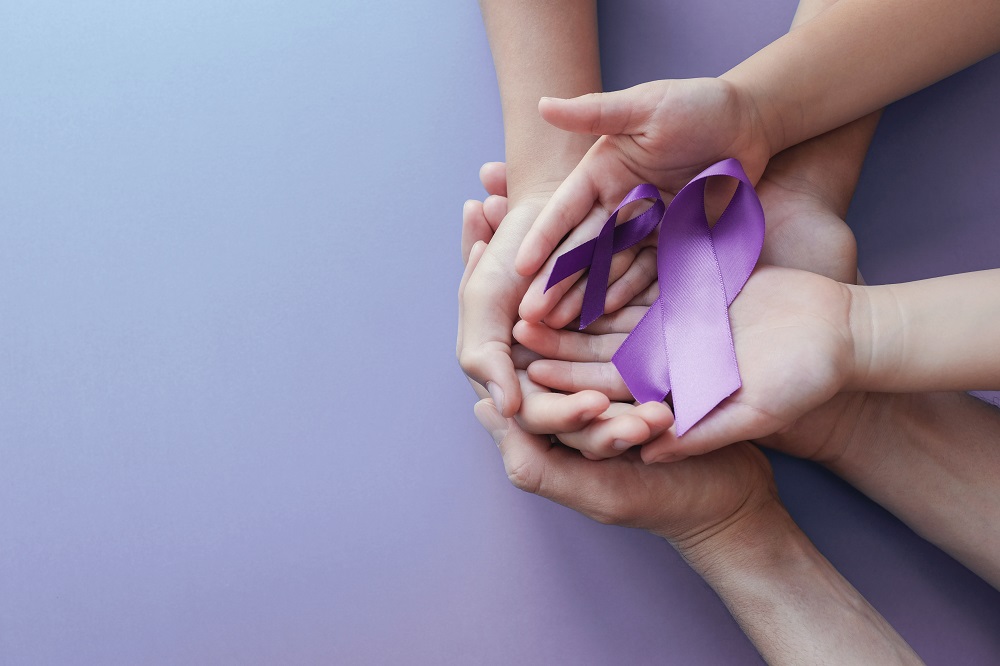
October is Domestic Violence Awareness Month, a time to bring light to an issue that affects millions of families across the country. One of the most common questions people ask about domestic violence is, “Why don’t they just leave?” The truth is, leaving an abusive relationship is not simple. Survivors face fear, isolation, and barriers that many on the outside cannot see.
At Wellcome Manor Family Services, we believe every woman and family deserves safety, dignity, and the opportunity to heal. Understanding the cycle of abuse is an important step in breaking free and finding hope.
Domestic violence takes place in our nation every minute of every day, occurring just about every 15 seconds. Most Americans don’t realize just how real domestic violence is and how many lives are affected by it.
Domestic violence is never okay, no matter the circumstances. If you or someone you know is in desperate need of help, contact the National Domestic Violence Hotline at 1−800−799−7233.
What Is the Cycle of Abuse?
Abuse often follows a pattern that repeats over time. Survivors may feel trapped as the cycle continues again and again.
- Tension Building: Stress increases. Arguments, criticism, or intimidation leave survivors walking on eggshells.
- Incident: The abuse escalates—whether it’s emotional, physical, verbal, sexual, or financial.
- Reconciliation/Honeymoon: The abuser may apologize, make promises to change, or show kindness.
- Calm: A temporary period of peace offers false hope before the cycle starts again.
This cycle can make leaving incredibly difficult, especially when moments of reconciliation blur the pain of abuse.
Why Victims Stay
Survivors don’t stay because they want to—they stay because of overwhelming barriers that make leaving unsafe or impossible. Some of the most common reasons include:
- Fear for safety: Survivors may fear retaliation if they leave.
- Isolation: Abusers often cut ties with family and friends.
- Dependence: Financial struggles, housing needs, and childcare can keep women stuck.
- Hope for change: Survivors may hold on to apologies or promises.
- Damaged self-worth: Ongoing criticism and control erode confidence.
These realities highlight why survivors need compassion and support, not judgment.
Breaking Free From the Cycle
While it may feel impossible, the cycle of abuse can be broken. Survivors deserve safe pathways forward:
- Awareness: Recognizing the pattern is the first step toward change.
- Support systems: Encouragement from safe friends, family, or community members can make a difference.
- Counseling and treatment: Therapy helps women process trauma, rebuild self-worth, and create healthier coping strategies.
- Practical help: Safety planning, shelters, and access to resources provide critical protection and stability.
At Wellcome Manor Family Services, we walk alongside women and families through every step of this journey. Our programs offer a safe, family-centered environment where healing can begin. We help mothers care for themselves and their children while building a foundation for lasting change.
How Loved Ones Can Help
If someone you know is caught in the cycle of abuse, you can be a powerful source of hope.
- Do: Listen with empathy, remind them of their worth, and connect them with resources.
- Don’t: Pressure them to leave before they are ready or confront the abuser yourself.
Healing often happens slowly, but knowing someone cares can give survivors the strength to take the next step.
Conclusion
No one deserves to live in fear. Every woman and every family has the right to safety, peace, and healing. By raising awareness and offering support, we can help break the cycle of abuse.
At Wellcome Manor Family Services, we provide a safe, supportive place for women and families to heal from trauma, rebuild confidence, and rediscover hope.
If you or someone you love is struggling in the cycle of abuse, you don’t have to face it alone. Contact Wellcome Manor Family Services today. Together, we can walk toward a brighter, healthier future.”